How Different Generations Use Social Media (and What It Means for Real Estate Marketers)
‹ Go Back
How each generation engages with social media is shaping the future of real estate marketing—from trust-driven content to short-form video and mobile-first experiences.
How Different Generations Use Social Media (and What It Means for Real Estate Marketers)
Social media isn’t one-size-fits-all — especially when it comes to real estate. Today’s buyers and renters span multiple generations, each with their own preferences, platforms, and expectations for how brands show up online. For teams developing real estate marketing strategies or planning homebuilder digital marketing efforts, understanding these differences isn’t just helpful — it’s essential.
Let’s explore how each generation uses social media and how these behaviors shape today’s real estate social media trends.
Gen Z (Born ~1997–2012): Visual, Authentic, and Fast-Moving
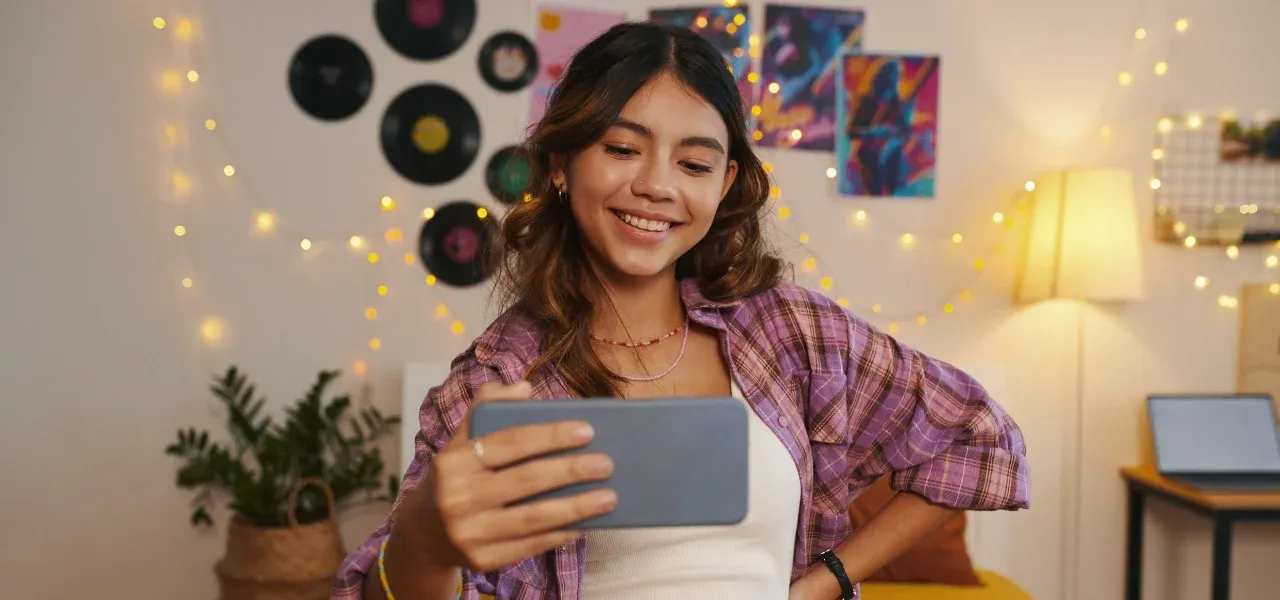
🎥 Gen Z scrolls for authenticity. Short-form video, personality, and real stories matter more than polish—TikTok, Instagram Reels, and YouTube Shorts are key to earning their attention.
Where they are:
TikTok, Instagram, YouTube
How they use social media:
Gen Z uses social platforms as both entertainment and a search engine. They value authenticity over polish, short-form video over static posts, and peer recommendations over traditional advertising. For brands focused on social media marketing for homebuilders, this generation responds best to content that feels real and unfiltered.
What this means for real estate marketers:
- Prioritize short-form video in your homebuilder digital marketing plans
- Showcase real people and real moments within the community
- Emphasize lifestyle, walkability, and local culture over technical specs
Pro tip: Trend participation works — but only when it aligns with your brand and feels authentic.
Millennials (Born ~1981–1996): Research-Driven and Lifestyle-Focused

☕ Millennials balance research with lifestyle. They expect helpful, visually engaging content across platforms—especially Instagram, YouTube, and Facebook—before taking the next step.
Where they are:
Instagram, Facebook, YouTube, Pinterest
How they use social media:
Millennials rely on social platforms to research major life decisions, including homeownership. They expect transparency, storytelling, and value-driven content. This makes them a key audience for digital marketing for real estate developers and builders alike.
What this means for real estate marketers:
- Go beyond floor plans by showcasing lifestyle and community experiences
- Use educational content to support informed decision-making
- Lean into video tours, neighborhood spotlights, and testimonials
Pro tip: Millennials want to imagine themselves living there — your content should help them do exactly that.
Gen X (Born ~1965–1980): Practical, Informational, and Trust-Oriented

📱 Gen X wants efficiency. This generation uses social media to research, compare, and make informed decisions—making strong content, reviews, and clear calls-to-action essential.
Where they are:
Facebook, YouTube, and some Instagram
How they use social media:
Gen X uses social media as a research tool. They appreciate clarity, efficiency, and credibility — all key components of strong real estate marketing strategies.
What this means for real estate marketers:
- Share straightforward details like pricing ranges, availability, and timelines
- Use longer-form content, such as blogs and YouTube videos
- Highlight builder reputation, awards, and community longevity
Pro tip: Clear, informative content builds trust faster than flashy trends for this audience.
Baby Boomers (Born ~1946–1964): Community, Connection, and Trust

👵👴 Baby Boomers value trust and clarity. They’re more likely to engage with social media when it feels informative, family-oriented, and easy to navigate—especially on Facebook and desktop devices.
Where they are:
Facebook, YouTube
How they use social media:
Boomers use social media to stay connected and informed. They value community impact and relationships — making them a primary audience for many new home construction marketing ideas, especially in active adult and 55+ communities.
What this means for real estate marketers:
- Highlight events, clubs, and social programming
- Share resident testimonials and community stories
- Keep visuals clean and messaging easy to follow
Pro tip: For this generation, community connection often outweighs home features.
What This Means for Modern Real Estate Marketing
While each generation uses social media differently, one trend is clear across all demographics: people want to see themselves in the communities you’re marketing. The most effective real estate marketing strategies and social media marketing for homebuilders shift the focus from selling homes to showcasing lifestyle.
By aligning content with platform behavior and generational preferences, builders and developers can create smarter, more impactful campaigns — and stay ahead of evolving real estate social media trends.
At Get Community, our marketing services help homebuilders and developers translate these insights into content strategies that convert interest into action. From short-form video to community storytelling, we bring clarity and consistency to homebuilder digital marketing and digital marketing for real estate developers.